Gift card barcodes: what they carry and how to print them
By Diljit Ramachandran · LinkedIn · /about
Published September 21, 2026 · GUIDES · 4 min read
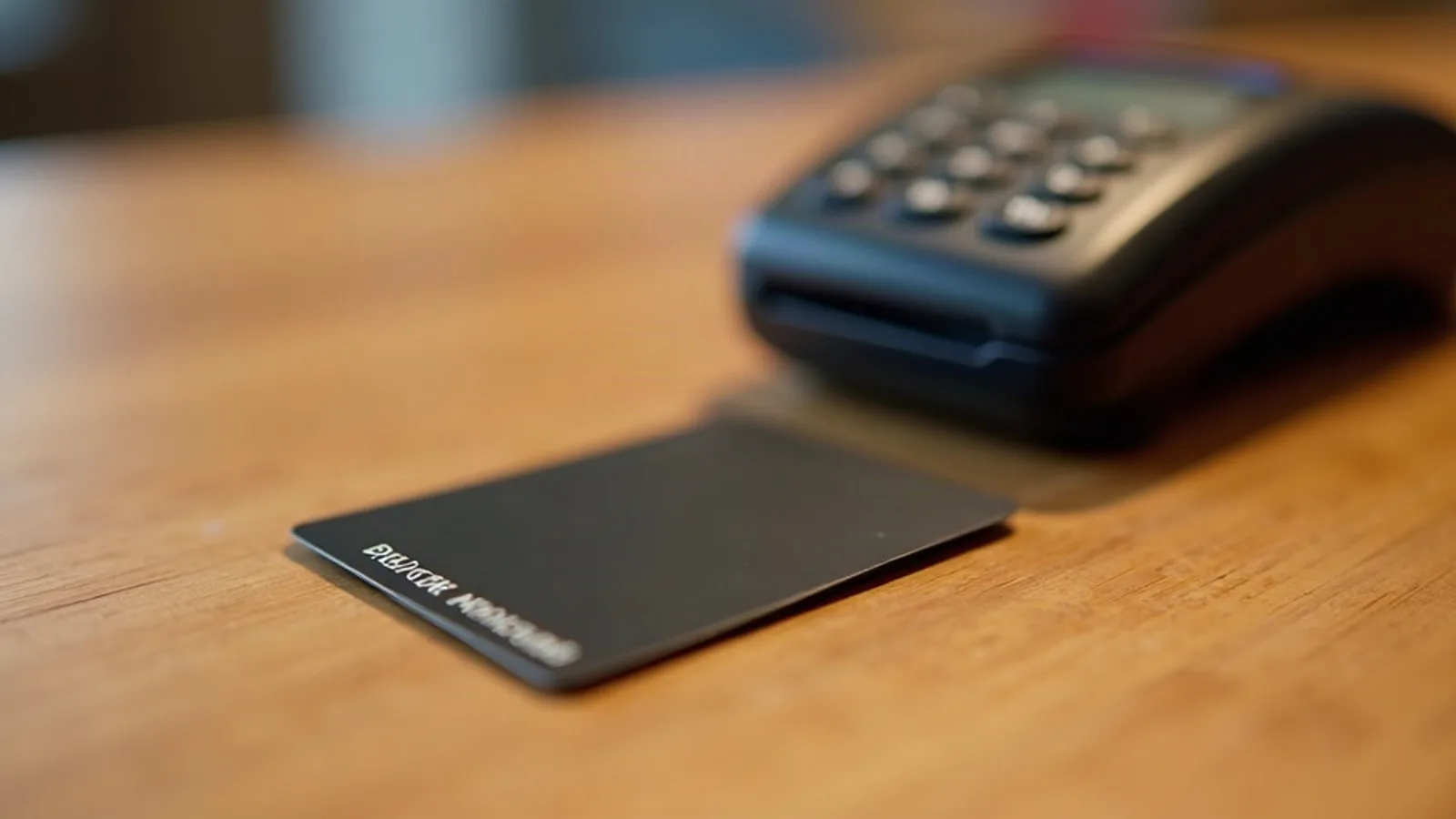
A gift card barcode does one job: it links a piece of plastic to a balance held in your system. Get the encoding wrong and the card scans as a product, activates twice, or cannot be redeemed at the one till that matters.
What the barcode on a gift card actually carries
The symbol does not hold a balance. It holds an identifier, and your point of sale looks that identifier up. Two numbers are usually in play and they are not interchangeable.
- The card number, unique to the physical card, encoded in the barcode on the back
- The product GTIN, identifying "gift card" as a sellable item, used when the card is rung up before activation
Cards with only one of these cause the two most common failures at the counter. A card with no product code cannot be scanned into a basket. A card with no unique number cannot be activated or redeemed.
Which symbology to use
Retail gift cards almost always use one of three.
- Code 128 carries letters and digits, packs densely, and suits long card numbers
- UPC-A or EAN-13 carries the product GTIN when the card is sold as merchandise
- A QR code carries a redemption URL as well as the number, which is what digital and print-at-home cards use
Code 128 is the default for the card number. It handles variable length, so a 16-digit or 19-digit scheme both fit without redesigning the label.
Printing on plastic
Plastic is harder than card, and for a reason people usually discover late: gloss.
- A glossy laminate reflects the scanner beam straight back and the read fails at some angles
- Ask for a matte panel behind the barcode, even on an otherwise glossy card
- Keep dark bars on a light panel, and never print bars in red
- Thermal transfer or offset both work. Direct thermal fades in a wallet
- Leave the quiet zone clear of the card edge, the magnetic stripe and any signature panel
A barcode running off the edge of a card is the single most common reprint. Keep at least an eighth of an inch of white beyond the quiet zone.
Activation, and why double scans happen
A card sold but not activated is worthless. A card activated twice can be worth double. Both come from the same place: the till reading the wrong symbol.
- Put the product GTIN on the packaging or carrier, not beside the card number
- Keep the two symbols physically apart, ideally on different faces
- If both must sit on one face, separate them by at least half an inch and label them in plain text
Digital gift cards
For emailed or app-based cards, a QR code holds the redemption URL and the card number together. One scan opens the balance page rather than making a cashier type sixteen digits.
You can generate the symbols for both paths here. A barcode generator produces the Code 128 and UPC-A symbols for physical cards, bulk generation handles a full card run from a spreadsheet, and a dynamic QR code lets you change the redemption destination later without reissuing cards already printed.
Test the card, not the artwork
Print five real cards on the real stock. Scan them at the counter with the actual till, under the actual lighting, at the angle a cashier holds a card.
Scan them again after a week in a pocket. Abrasion is what kills gift card barcodes, and it does not show up in a proof.
What to do first
- Decide whether cards are sold as merchandise. If so, you need a product GTIN as well as card numbers
- Generate the card number range, and keep the list. You cannot reissue a number you did not record
- Choose Code 128 unless your till specifies otherwise
- Specify a matte panel behind the barcode when you brief the card printer
- Print five real cards and scan them at the counter, at the angle a cashier holds a card
- Carry one in a pocket for a week and scan it again
Frequently asked questions
What barcode format do gift cards use?
Most physical gift cards use Code 128 for the unique card number, because it handles letters and variable lengths. UPC-A or EAN-13 carries the product code when the card is sold as merchandise.
Does a gift card barcode store the balance?
No. The barcode holds an identifier only. Your point of sale looks up the balance against that identifier, which is why a lost card can be cancelled.
Why does a gift card scan at one till and not another?
Usually gloss or angle. A laminated card reflects the beam, and some scanner beds sit at a tighter angle than others. A matte panel behind the barcode fixes most of these.
Can one barcode both sell and activate a card?
It can, but keeping the product code and the card number as separate symbols prevents double activation. Put them on different faces where the design allows.
Can you change where a gift card QR code points after printing?
Yes, if the QR code is dynamic. The printed pattern stays the same and you update the destination, so a redemption page can move without reissuing cards.
Frequently Asked Questions
What barcode format do gift cards use?
Most physical gift cards use Code 128 for the unique card number, because it handles letters and variable lengths. UPC-A or EAN-13 carries the product code when the card is sold as merchandise.
Does a gift card barcode store the balance?
No. The barcode holds an identifier only. Your point of sale looks up the balance against that identifier, which is why a lost card can be cancelled.
Why does a gift card scan at one till and not another?
Usually gloss or angle. A laminated card reflects the beam, and some scanner beds sit at a tighter angle than others. A matte panel behind the barcode fixes most of these.
Can one barcode both sell and activate a card?
It can, but keeping the product code and the card number as separate symbols prevents double activation. Put them on different faces where the design allows.
Can you change where a gift card QR code points after printing?
Yes, if the QR code is dynamic. The printed pattern stays the same and you update the destination, so a redemption page can move without reissuing cards.
Create Your QR Code Now
QRCodeStack — affordable dynamic QR codes from $9/month. 7-day free trial, no credit card.